

The concept of "portability" has long been the holy grail of modern engineering.
We want our tools to be everywhere we are, yet the physical reality of portability often introduces a silent trade-off: structural integrity versus mass.
In the development of high-performance hardware, like the systems seen in our Subject series, "The Weight of Portability" refers to more than just kilograms. It represents the "weight" of the decisions made during the design phase.
The Engineering Balancing Act
When designing for portability, engineers must balance three competing pillars:
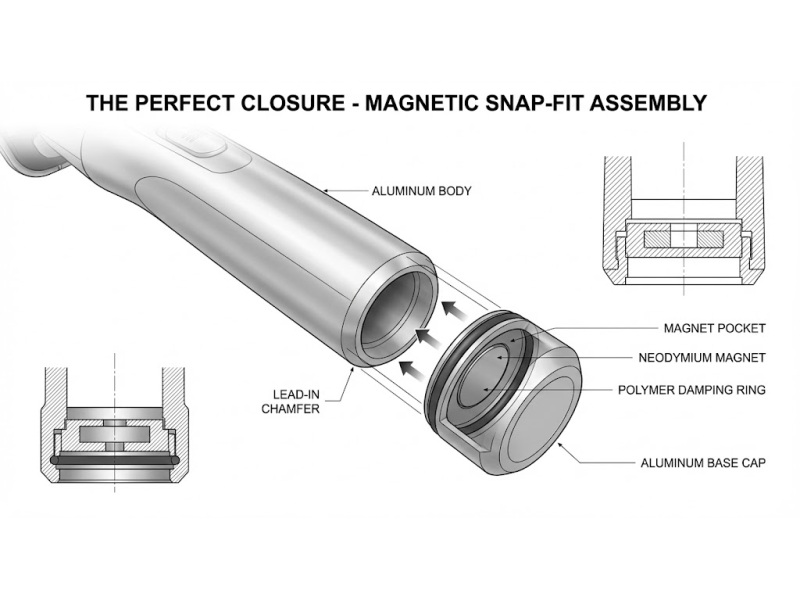
Material Density: Switching from steel to aluminum or magnesium alloys reduces weight but requires more complex interlocking geometries to maintain the same rigidity.
Thermal Mass: Smaller, more portable enclosures have less surface area to dissipate heat. This "weight" is felt in the need for advanced cooling solutions or throttled performance.
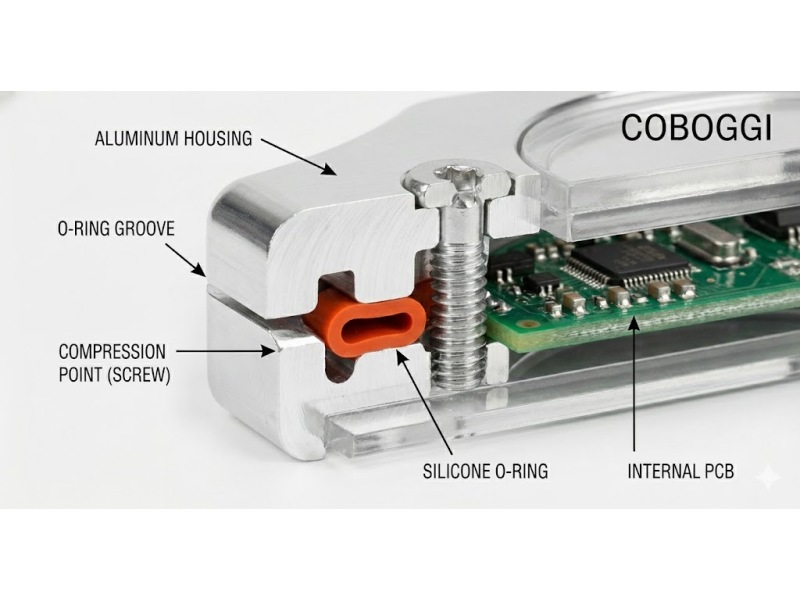
Sealing Complexity: As devices become more portable, they are exposed to more environments. A portable device requires robust protection—like the O-ring compression joints we've explored—which adds back the very grams engineers try to shave off.
The "Coboggi" Standard
In the context of the COBOGGI technical specifications, portability isn't just about being light; it's about survivability per gram.
By using precision-machined "Cross-Section Cutaway" designs, we ensure that the internal PCB remains isolated from external pressure, regardless of how thin the outer shell becomes.
Key Insight: True portability is achieved when the user forgets the device is there, yet the device never forgets its environment.
 English
 German
 French
 Russian
 Spanish
 Japanese
 Korean
 Khmer
Khmer Portuguese
 Ukrainian
 Arabic
 Italian
 Afrikaans
 Albanian
 Armenian
 Azerbaijani
 Basque
 Belarusian
 Bulgarian
 Catalan
 Croatian
 Czech
Czech Danish
 Dutch
Dutch Estonian
 Filipino
 Finnish
 Galician
 Georgian
 Greek
Greek Haitian Creole
 Hebrew
 Hindi
Hindi Hungarian
 Icelandic
 Indonesian
 Irish
Irish Latvian
 Lithuanian
 Macedonian
 Malay
Malay Maltese
 Norwegian
 Persian
 Polish
 Romanian
 Serbian
 Slovak
 Slovenian
 Swahili
 Swedish
 Thai
Thai Turkish
 Urdu
Urdu Vietnamese
 Welsh
Welsh Yiddish