

As IoT devices grow more powerful, they face a silent enemy: Heat.
Whether it’s an AI-driven security camera, a high-speed networking hub, or an industrial edge-computing sensor, internal components generate thermal energy that can degrade performance and shorten the device's lifespan.
In the past, engineers relied on noisy, failure-prone fans. Today, the "Heat Sink Revolution" is moving toward passive cooling. By integrating the heat sink directly into the aluminum enclosure, brands can create silent, sleek, and indestructible devices. Here is how Coboggi helps you master thermal management through precision engineering.
1. Why Aluminum is the Ultimate Thermal Conductor
To understand the revolution, we must look at the physics. Thermal conductivity (k) measures a material's ability to transfer heat.
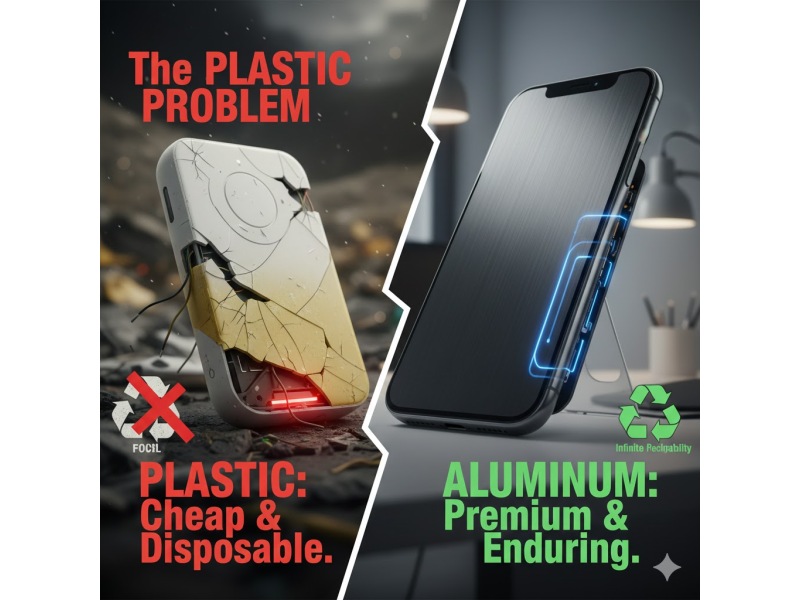
Plastic (Polycarbonate): k≈0.2$ W/m·K (An insulator that traps heat).
Aluminum (6061): k≈167$ W/m·K.
Aluminum is roughly 800 times better at moving heat than plastic. When your PCB is housed in a Coboggi aluminum enclosure, the entire "shell" of the device becomes a massive cooling surface, drawing heat away from the processor instantly.
2. The Art of the Fin: Increasing Surface Area
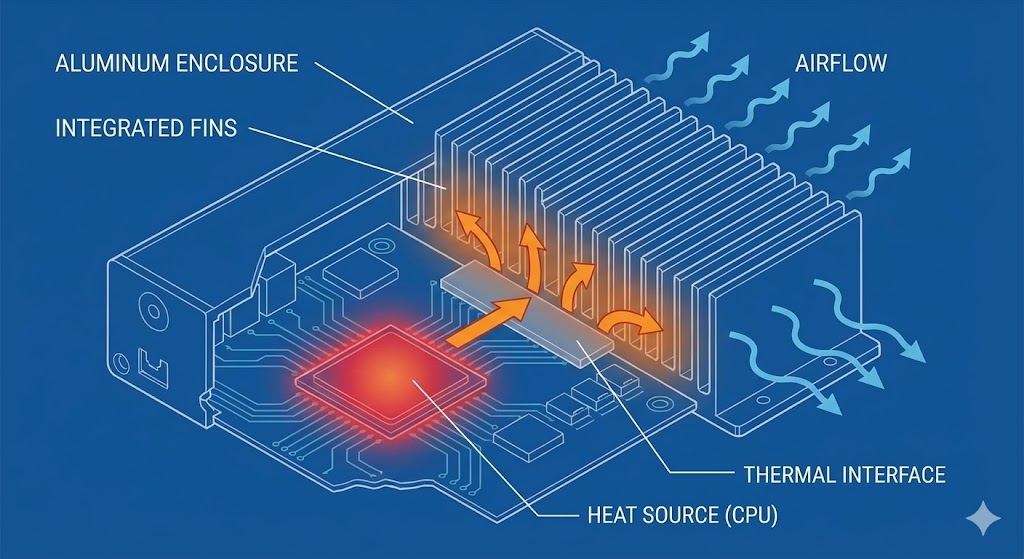
The secret to effective passive cooling lies in the geometry of the exterior. To move heat from the metal into the air, you need surface area.
Integrated Cooling Fins: Through precision CNC machining or advanced extrusion, we can add a series of "fins" or "ribs" to the exterior of your enclosure.
Optimizing for Convection: At Coboggi, we help you calculate the optimal spacing and depth of these fins. If fins are too close, air gets trapped; if they are too far apart, you lose cooling efficiency.
3. The "Thermal Bridge": Connecting the PCB to the Shell
An aluminum enclosure is only effective if the heat can reach it. This requires a "Thermal Bridge."
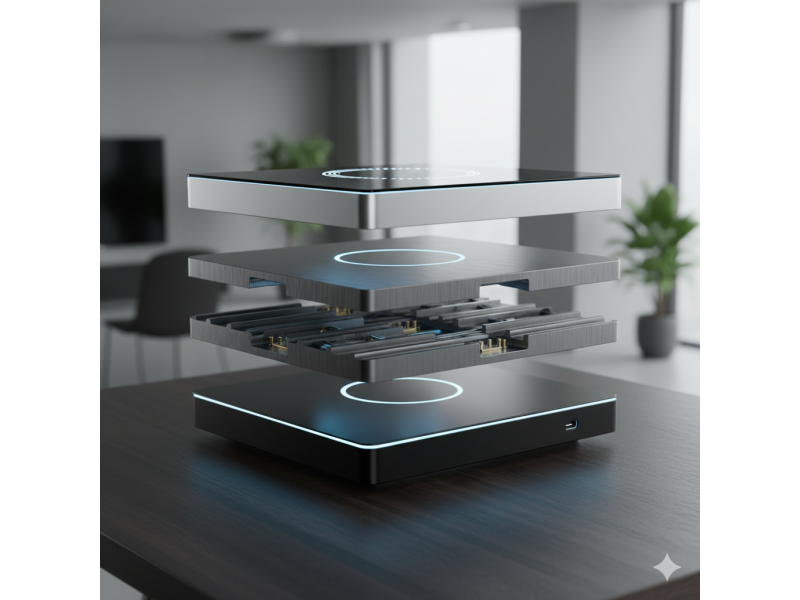
Internal Standoffs: We machine internal "pedestals" that sit directly above hot components like the CPU or GPU.
TIM (Thermal Interface Material): By placing a thermal pad or grease between the component and the aluminum standoff, the heat "jumps" from the silicon to the metal shell with zero resistance.
The Result: Your internal components stay up to 30°C cooler than they would in a standard plastic box.
4. Aesthetics Meets Function
One common misconception is that cooling fins must look "industrial." At Coboggi, we prove otherwise.
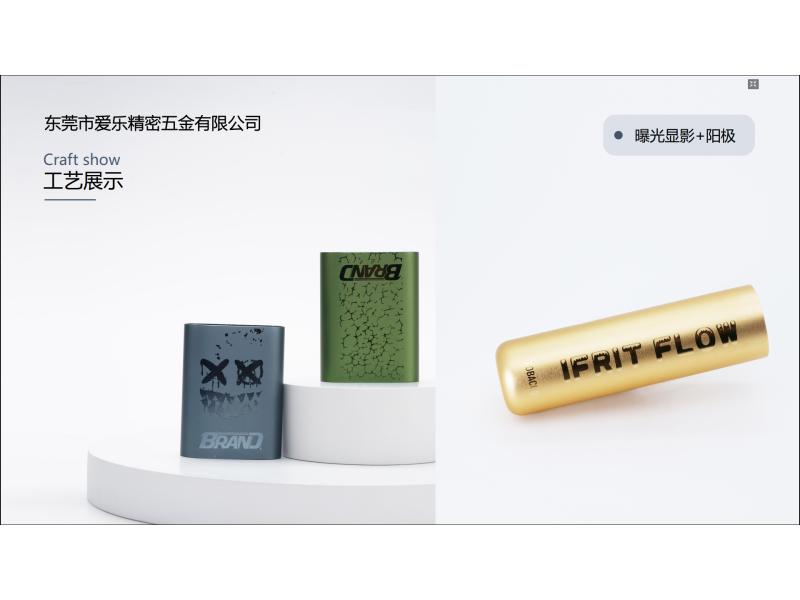
Hidden Cooling: We can design internal fins or subtle textures that provide cooling benefits without ruining the sleek aesthetic of a smart home device.
Anodizing for Heat: Did you know that dark-colored anodized finishes (like matte black) actually have slightly better thermal emissivity? We help you choose the right finish that looks premium while working hard to keep the device cool.
Conclusion: Future-Proof Your IoT Hardware
Thermal throttling is the leading cause of "lag" in smart devices. By choosing an aluminum heat sink enclosure from Coboggi, you aren't just buying a box; you are investing in the long-term reliability and speed of your product.
 English
 German
 French
 Russian
 Spanish
 Japanese
 Korean
 Khmer
Khmer Portuguese
 Ukrainian
 Arabic
 Italian
 Afrikaans
 Albanian
 Armenian
 Azerbaijani
 Basque
 Belarusian
 Bulgarian
 Catalan
 Croatian
 Czech
Czech Danish
 Dutch
Dutch Estonian
 Filipino
 Finnish
 Galician
 Georgian
 Greek
Greek Haitian Creole
 Hebrew
 Hindi
Hindi Hungarian
 Icelandic
 Indonesian
 Irish
Irish Latvian
 Lithuanian
 Macedonian
 Malay
Malay Maltese
 Norwegian
 Persian
 Polish
 Romanian
 Serbian
 Slovak
 Slovenian
 Swahili
 Swedish
 Thai
Thai Turkish
 Urdu
Urdu Vietnamese
 Welsh
Welsh Yiddish