

Beyond the Spec Sheet: Why the surface treatment of your smart tech defines its longevity and luxury.
When we shop for smart home devices—whether it’s a sleek smart lock, a thermostat, or a high-end security camera—we often focus on battery life, connectivity, and megapixels. But there is a silent hero in hardware design that dictates how long your device lasts and how premium it feels in your hand: the finish.
At Coboggi, we understand that for aluminum-bodied devices, the manufacturing journey doesn't end at CNC machining. The surface treatment is what stands between the raw metal and the hazards of daily life.
Here is your guide to understanding aluminum finishes and choosing the right one for your next smart home project or purchase.
Why Aluminum in the First Place?
Before diving into finishes, it’s worth remembering why aluminum is the king of smart home materials. It is lightweight, possesses excellent strength-to-weight ratios, and, crucially for electronics, it acts as a natural heat sink. However, raw aluminum reacts with oxygen. While this natural oxide layer offers some protection, it isn't enough for a high-touch device. That is where professional finishing comes in.
The Top Contenders: Common Aluminum Finishes
Not all finishes are created equal. Here are the three most common processes used in the smart home industry, and what they bring to the table.
1. Anodizing: The Premium Standard
If you own a flagship smartphone or a high-end laptop, you are likely holding anodized aluminum.
The Process: This is an electrochemical process that converts the metal surface into a decorative, durable, corrosion-resistant, anodic oxide finish. It isn't a "coating" that sits on top; it is fully integrated with the underlying aluminum substrate.
Best For: Devices that are handled frequently (remote controls, smart knobs) and indoor aesthetics.
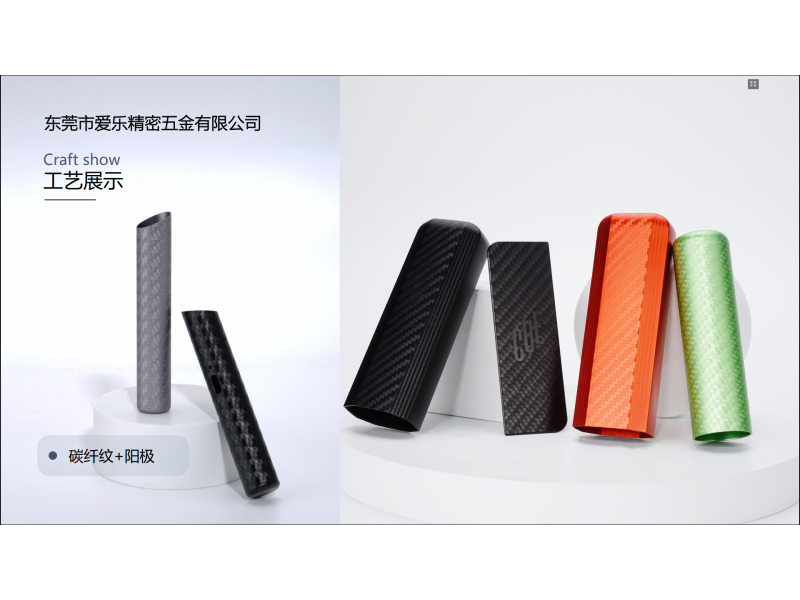
Pros: Incredible metallic look, resistant to peeling or chipping, and preserves the metal's natural texture.
Cons: Limited color palette compared to paint; difficult to achieve inconsistent matches across different batches.
2. Powder Coating: The Tough Shield
Powder coating involves spraying a dry powder onto the metal and then curing it under heat to form a "skin."
Shutterstock
The Process: It creates a thick, hard finish that is tougher than conventional paint.
Best For: Outdoor devices like smart doorbells, floodlights, or gate controllers that face rain, UV rays, and temperature swings.
Pros: extreme durability, huge variety of colors/textures (matte, gloss, rough), and eco-friendly (no solvents).
Cons: It can look "thicker" and less metallic than anodizing; it may mask the precise machining lines of the device.
3. PVD (Physical Vapor Deposition): The Jewelry Grade
PVD is often used for the high-gloss, gold, or stainless-steel looks found on luxury smartwatches and premium door hardware.
The Process: A vacuum coating process that produces a brilliant decorative and functional finish.
Best For: Accents, bezels, and luxury smart locks where scratch resistance and high-gloss aesthetics are required.
Pros: Extremely hard (high scratch resistance), hypoallergenic, and visually stunning.
Cons: Expensive to produce; usually reserved for smaller components rather than full device bodies.
Feature Anodizing Powder Coating PVD (Physical Vapor Deposition) Standard Liquid Paint Best For Premium indoor tech (phones, hubs) Outdoor devices (cameras, doorbells) High-end accents & luxury hardware Low-cost consumer electronics Durability High. Integrated into the metal; won't peel. Very High. Thick "skin" that resists impact. Extreme. Hardest surface; scratch-proof. Low/Medium. Prone to scratching/chipping. Heat Dissipation Excellent. Thin layer allows heat escape. Fair. Thick coating can trap heat. Good. Thin coating, but often on steel. Fair. Can act as an insulator. Aesthetics Metallic, natural texture. Uniform color, matte or textured. High gloss, jewelry-like (Gold/Chrome). Unlimited colors, but looks "plastic." Touch (Haptics) Cool, metallic feel. Smooth plastic-like or textured grit. Smooth, glassy, cold. Smooth or rubberized feel. Cost $$(Moderate) $$ (Moderate) $$$$ (Expensive) $ (Low)
Decision Framework: How to Choose?
When evaluating a smart device (or designing one), run it through this 3-point checklist to determine if the finish fits the function.
1. The Environment Test
Indoor: Anodizing is usually preferred for its sleek look and heat dissipation properties.
Outdoor: Powder coating or specialized outdoor-grade anodizing is non-negotiable. If you put a standard anodized device in direct coastal salt air, it may pit over time.
2. The "Hand-Feel" (Haptics)
Smart home devices are tactile. We touch thermostats, keypads, and scanners.
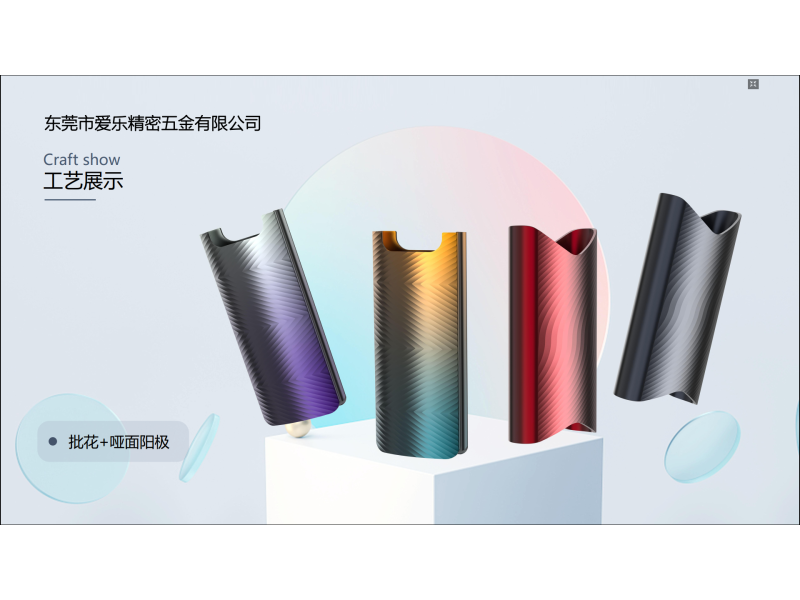
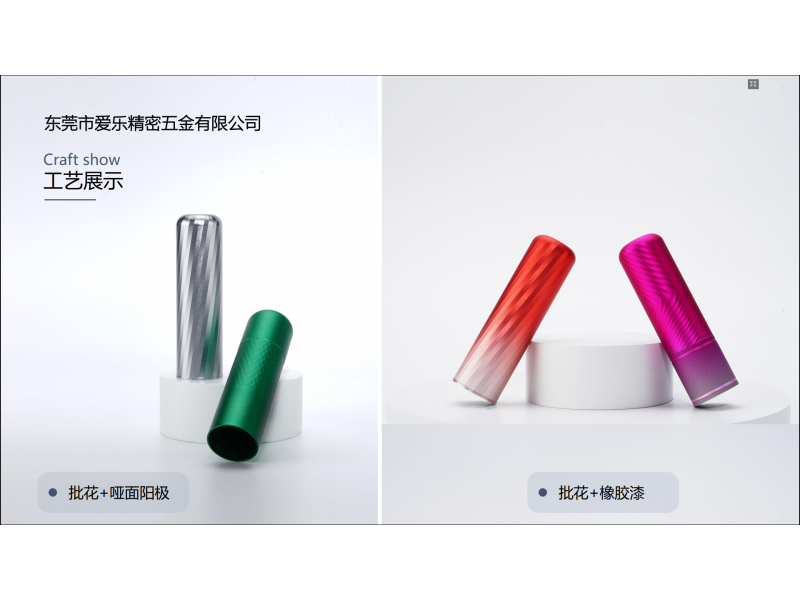
Matte Finishes (Bead Blasted + Anodized): Hide fingerprints and oils best.
Glossy/Polished: Look premium out of the box but require constant cleaning to look good.
3. Thermal Management
Smart devices get hot. Thick layers of paint or powder coating can act as insulators, trapping heat inside. Anodizing is superior for heat dissipation because the oxide layer is very thin, allowing the aluminum body to effectively pull heat away from the processor.
The Coboggi Verdict
Durability is not just about surviving a drop; it’s about surviving time. A smart device should look as good two years later as it did on day one.
Choose Anodizing if you want that "Apple-esque" premium feel and the device lives indoors.
Choose Powder Coating if the device needs to survive a storm or rough handling.
At Coboggi, we prioritize finishes that balance these needs—ensuring that the beauty of the device matches the intelligence of the software inside.
What’s your preference for smart home aesthetics: the raw metallic look or a matte color finish? Let us know in the comments!
 English
 German
 French
 Russian
 Spanish
 Japanese
 Korean
 Khmer
Khmer Portuguese
 Ukrainian
 Arabic
 Italian
 Afrikaans
 Albanian
 Armenian
 Azerbaijani
 Basque
 Belarusian
 Bulgarian
 Catalan
 Croatian
 Czech
Czech Danish
 Dutch
Dutch Estonian
 Filipino
 Finnish
 Galician
 Georgian
 Greek
Greek Haitian Creole
 Hebrew
 Hindi
Hindi Hungarian
 Icelandic
 Indonesian
 Irish
Irish Latvian
 Lithuanian
 Macedonian
 Malay
Malay Maltese
 Norwegian
 Persian
 Polish
 Romanian
 Serbian
 Slovak
 Slovenian
 Swahili
 Swedish
 Thai
Thai Turkish
 Urdu
Urdu Vietnamese
 Welsh
Welsh Yiddish