

The Fusion of Strength and Elegance: How Metal Accents are Redefining Contemporary Interiors.
In the world of high-end furniture, we are witnessing a "Material Renaissance." While wood remains a timeless foundation, the integration of metal trims has become the hallmark of modern luxury. Metal isn't just a support structure anymore—it is the jewelry of the furniture world.
At Coboggi, we specialize in the precision required to make these two disparate materials—wood and metal—live together in perfect harmony.
Why Metal Trims are the Modern Standard
Integrating metal into furniture serves more than just an aesthetic purpose. It provides:
Edge Protection: Metal trims prevent the chipping and wear often seen on the corners of wooden tables or cabinets.
Visual Contrast: The "cold" reflective nature of metal perfectly balances the "warm" organic grain of wood.
Structural Integrity: Slimmer profiles can be achieved when metal is used to reinforce joints or weight-bearing edges.
Choosing Your Metal: The Aesthetic Language
The type of metal you choose dictates the "personality" of the furniture piece.
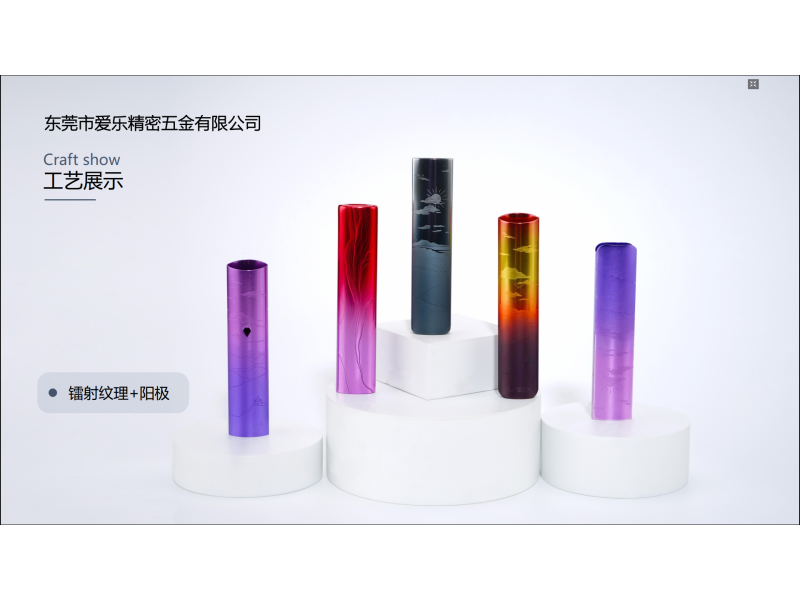
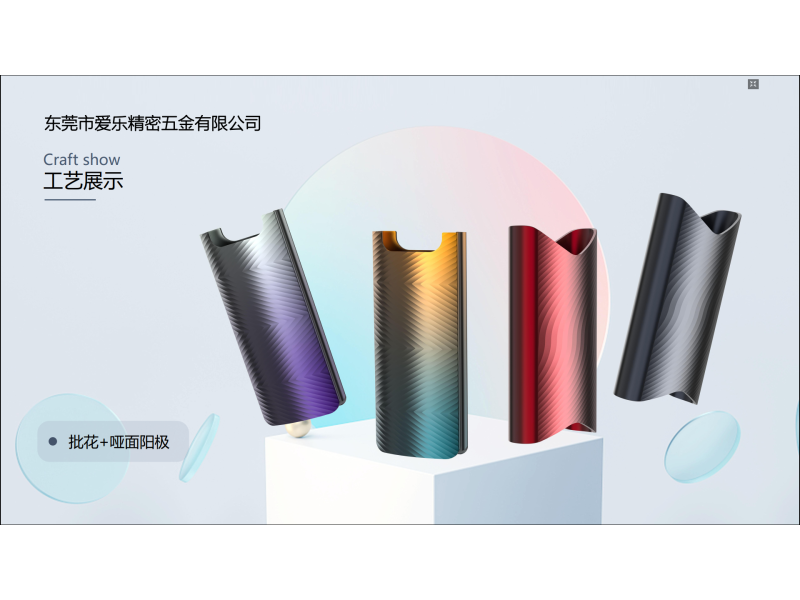
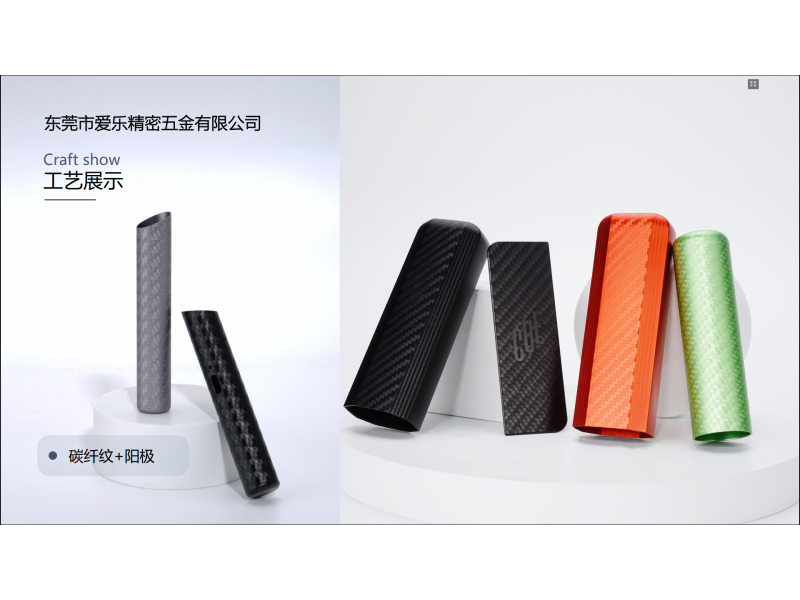
Aluminum: The choice for "Tech-Modern." It is lightweight, versatile, and can be anodized in almost any color (from champagne gold to deep charcoal).
Stainless Steel: The king of durability. Its high-shine or brushed finish is perfect for minimalist, industrial, or professional environments.
Brass/Bronze: These metals bring warmth. They are often used in "Mid-Century Modern" or "Art Deco" revivals to provide a sense of heritage and opulence.
Key Techniques for Integration
How the metal meets the wood is where the craftsmanship shows. Here are the three most popular methods used today:
1. The Flush Inlay
A groove is CNC-machined into the wood surface, and a metal strip is bonded inside so it sits perfectly level with the wood. This requires extreme precision; even a 0.5mm deviation can be felt by the hand.
2. Protective Edge Banding
Metal trims are applied to the outer edges of tables or shelving units. This creates a "frame" for the wood and protects the most vulnerable parts of the furniture from impact.
3. The Reveal (Negative Space)
A small gap is left between the wood and the metal trim, often finished in a dark color. This creates a "shadow line" that makes the wooden components appear to float, a favorite technique in contemporary Italian design.
Precision: The Coboggi Difference
The biggest challenge in integrating metal is thermal expansion. Wood and metal react differently to heat and humidity.
At Coboggi, we utilize high-precision CNC machining to ensure that tolerances are exact. We also apply specialized surface treatments to our aluminum trims to ensure they don't oxidize or lose their luster when exposed to the cleaning chemicals used on wooden furniture.
A Quick Guide to Metal Finish Selection
| Look Desired | Recommended Material | Best Finish |
| Minimalist / Scandi | Aluminum | Clear Anodized (Silver) |
| Industrial / Raw | Steel | Brushed or Gunmetal |
| Luxury / Glamour | Brass or Aluminum | PVD Gold or Polished |
| Stealth / Executive | Aluminum | Matte Black Powder Coat |
Ready to Build? Here is Your Technical Specification Checklist:
Technical Specification Checklist: Designing for Metal Trims
Before sending your designs to a manufacturing partner like Coboggi, ensure your technical drawings include these five critical data points. This ensures a seamless fit between the metal and the furniture body.
1. Material Selection & Grade
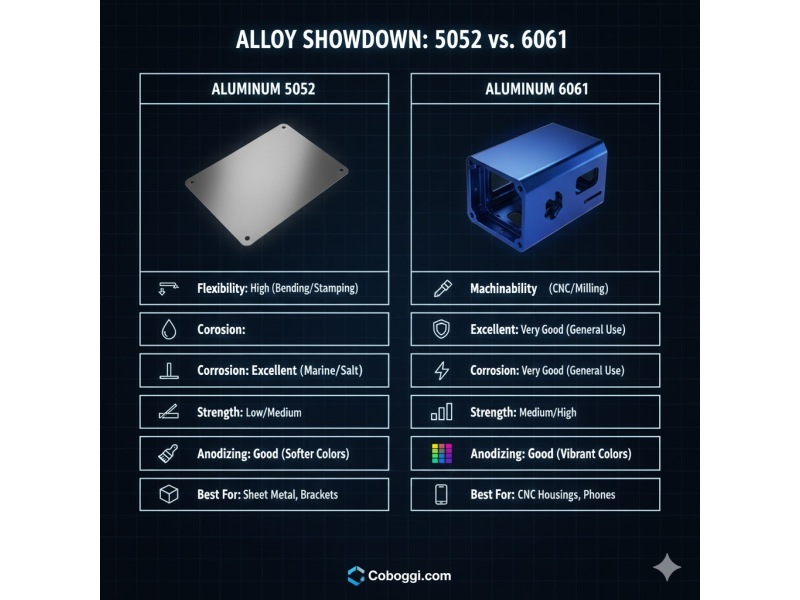
Aluminum: Specify the alloy (e.g., 6061 for strength or 6063 for superior finishing).
Stainless Steel: Grade 304 for standard use or Grade 316 for coastal/high-moisture environments.
Brass: Solid brass or brass-plated aluminum (to save weight and cost).
2. Dimensional Tolerances
Inlay Depth: The exact depth of the channel in the wood.
Clearance: We recommend a "slip-fit" tolerance (typically +0.1mm to +0.2mm) to account for wood expansion without the metal becoming loose.
3. Surface Finish Requirements
Texture: Do you require Bead Blasted (matte), Brushed (directional lines), or Mirror Polished?
Color Matching: Provide a RAL or Pantone code if the trim must match other hardware (handles, legs, etc.).
Anodizing Thickness: For furniture, a thickness of 10–15 microns is usually ideal for scratch resistance.
4. Attachment & Bonding Method
Mechanical Fastening: Will there be pre-drilled countersunk holes for screws?
Adhesive Channel: Does the back of the metal trim need a "ribbed" or "knurled" surface to help the epoxy/glue bond to the wood?
Press-Fit: Does the trim have a "T-profile" or "barb" to be hammered into a slot?
5. Edge Profile & Safety
Deburring: Ensure all edges are specified as "deburred" to prevent sharp corners on seating or table edges.
Radius: Specify the corner radius (e.g., R0.5 or R1.0) to soften the touch and avoid "snagging" on clothing.
Maintaining the Look
To keep metal-trimmed furniture looking pristine:
Avoid Abrasives: Use a soft microfiber cloth.
Mind the Wood: Ensure the metal cleaner does not contain oils that might stain the surrounding wood.
Anodized Advantage: If using Coboggi’s anodized aluminum trims, a simple damp cloth is usually enough, as the finish is resistant to fingerprints and corrosion.
Conclusion
Integrating metal trims is about more than just adding a "shiny bit" to a table. It is about the intersection of industrial strength and organic beauty. Whether you are a designer looking for a bespoke profile or a manufacturer scaling a new line, the right metal trim is what elevates a piece from "standard" to "statement."
 English
 German
 French
 Russian
 Spanish
 Japanese
 Korean
 Khmer
Khmer Portuguese
 Ukrainian
 Arabic
 Italian
 Afrikaans
 Albanian
 Armenian
 Azerbaijani
 Basque
 Belarusian
 Bulgarian
 Catalan
 Croatian
 Czech
Czech Danish
 Dutch
Dutch Estonian
 Filipino
 Finnish
 Galician
 Georgian
 Greek
Greek Haitian Creole
 Hebrew
 Hindi
Hindi Hungarian
 Icelandic
 Indonesian
 Irish
Irish Latvian
 Lithuanian
 Macedonian
 Malay
Malay Maltese
 Norwegian
 Persian
 Polish
 Romanian
 Serbian
 Slovak
 Slovenian
 Swahili
 Swedish
 Thai
Thai Turkish
 Urdu
Urdu Vietnamese
 Welsh
Welsh Yiddish