

Blogs category
Featured Blogs
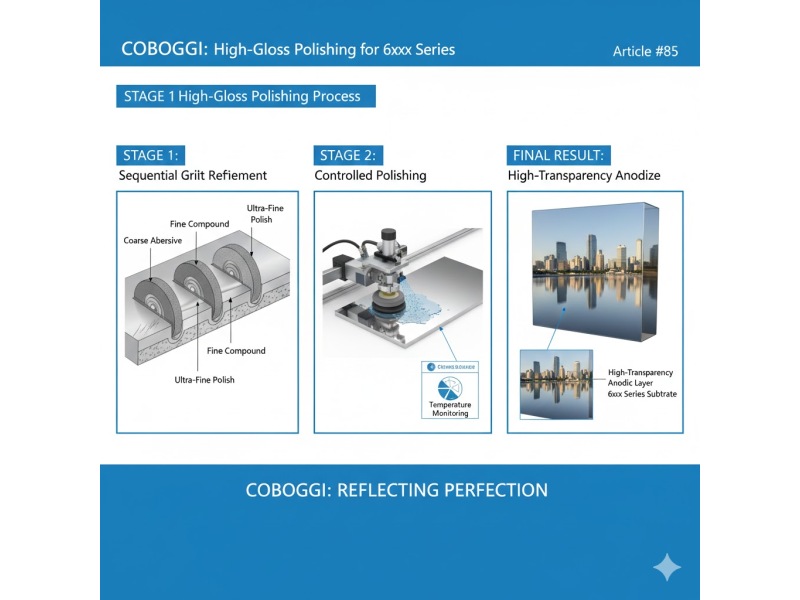
High-Gloss Polishing for 6xxx Series – The Mirror of Industrial Design
.
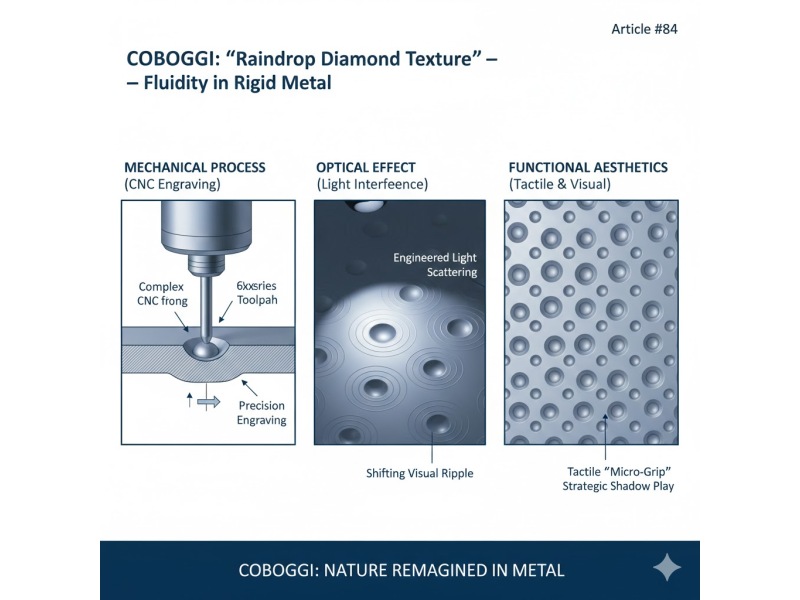
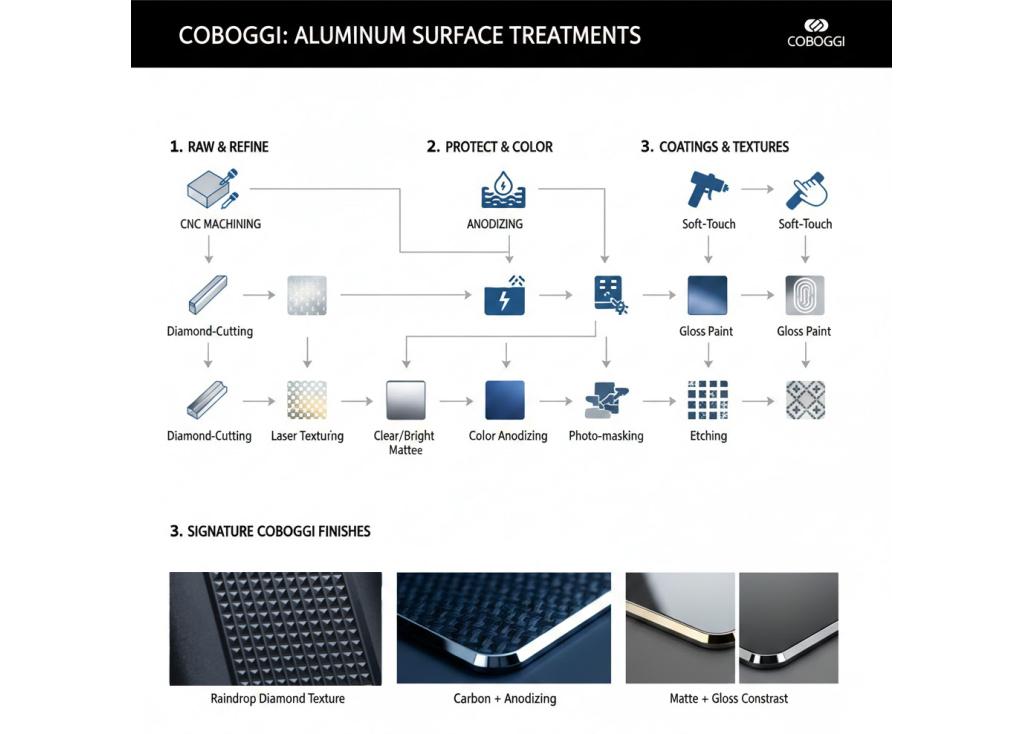
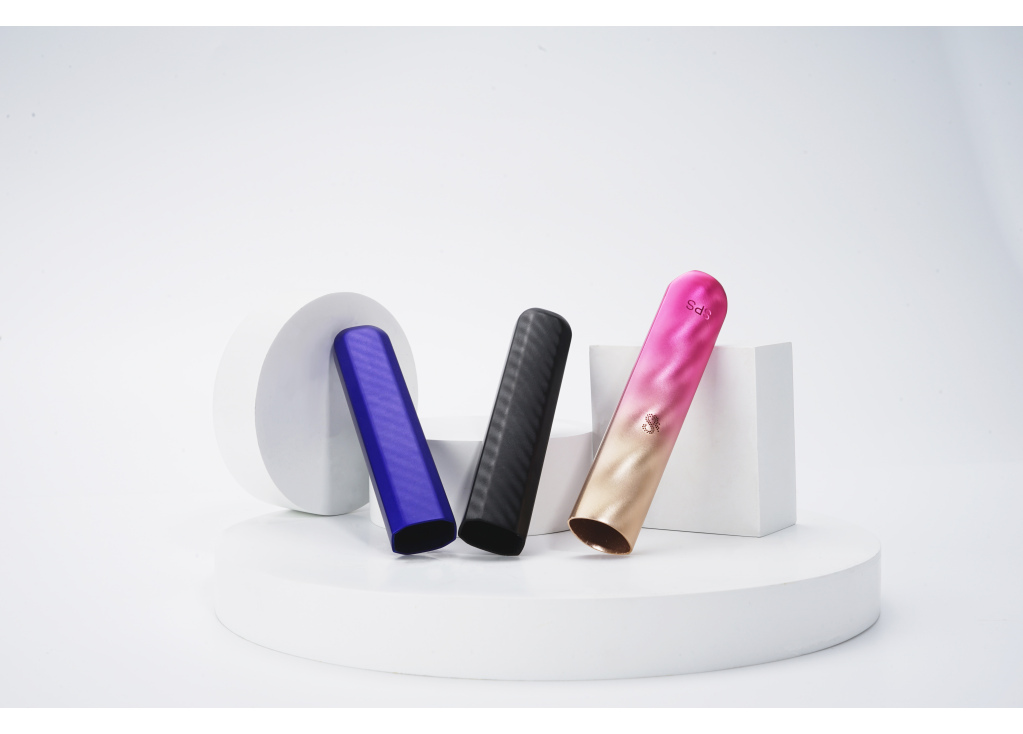
Raindrop Diamond Textures – Fluidity in Rigid Metal
.
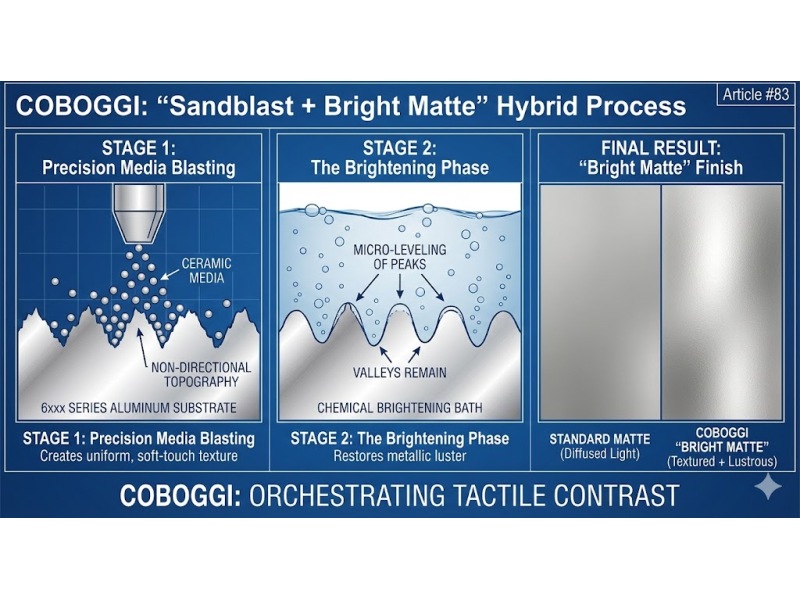
The "Sandblast + Bright Matte" Hybrid – Orchestrating Tactile Contrast
.
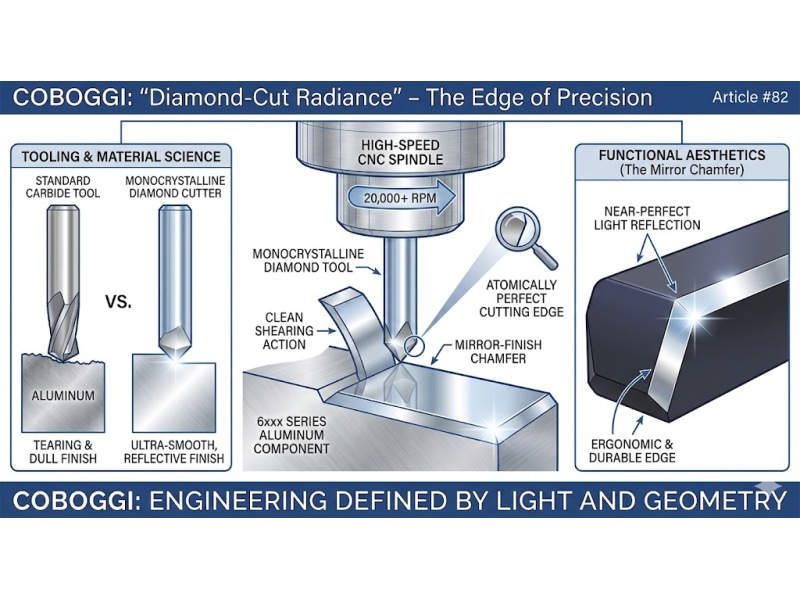
Diamond-Cut Radiance – The Edge of Precision
.
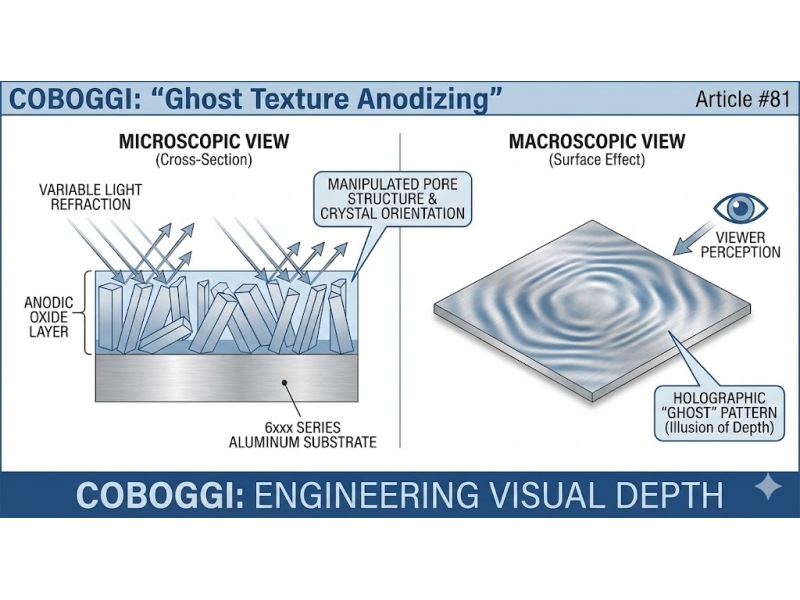
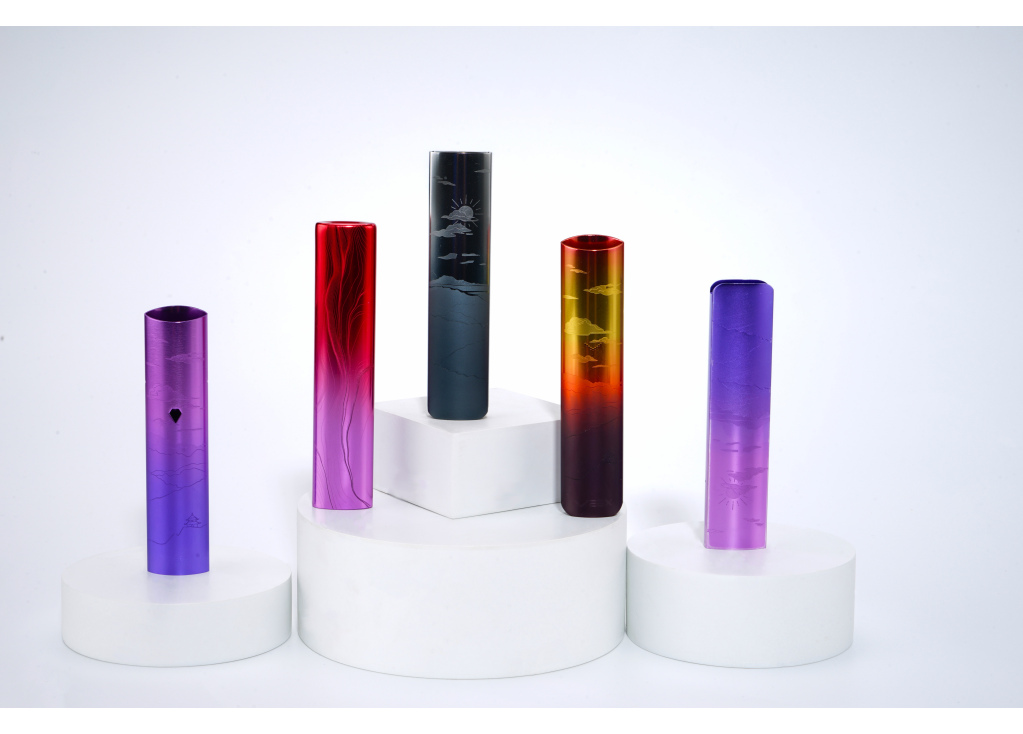
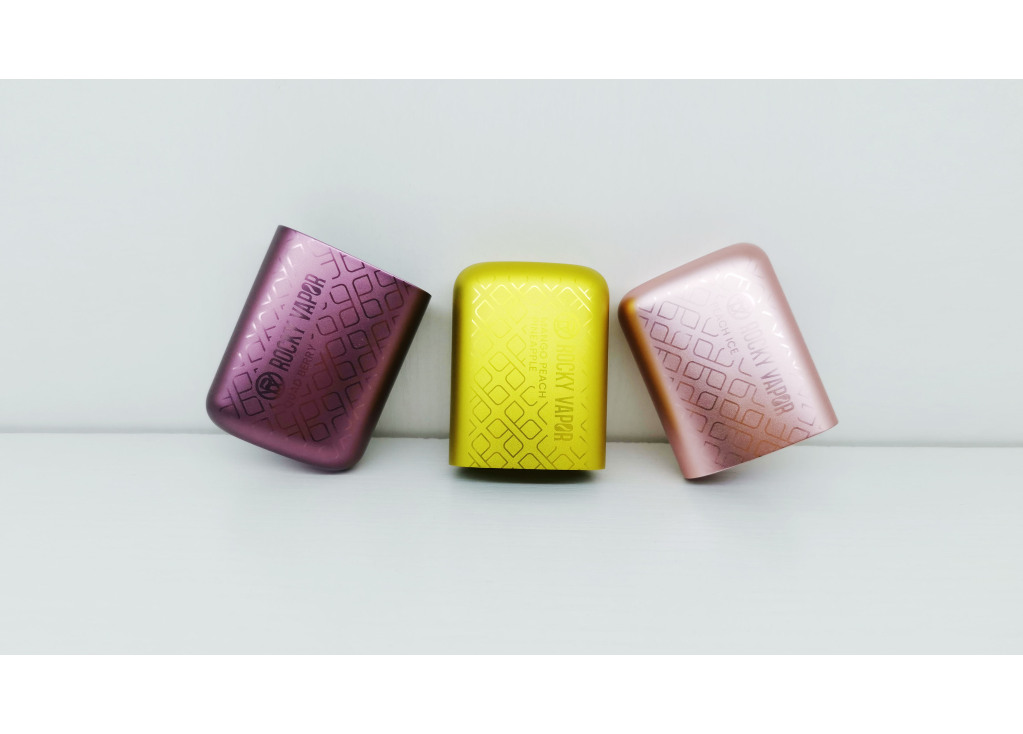
The Ghost Texture Anodizing – Engineering Visual Depth
.
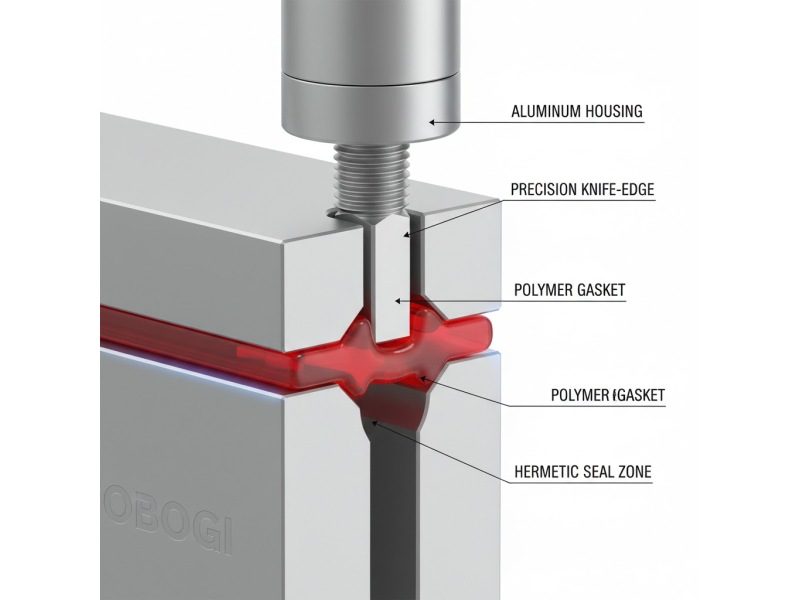
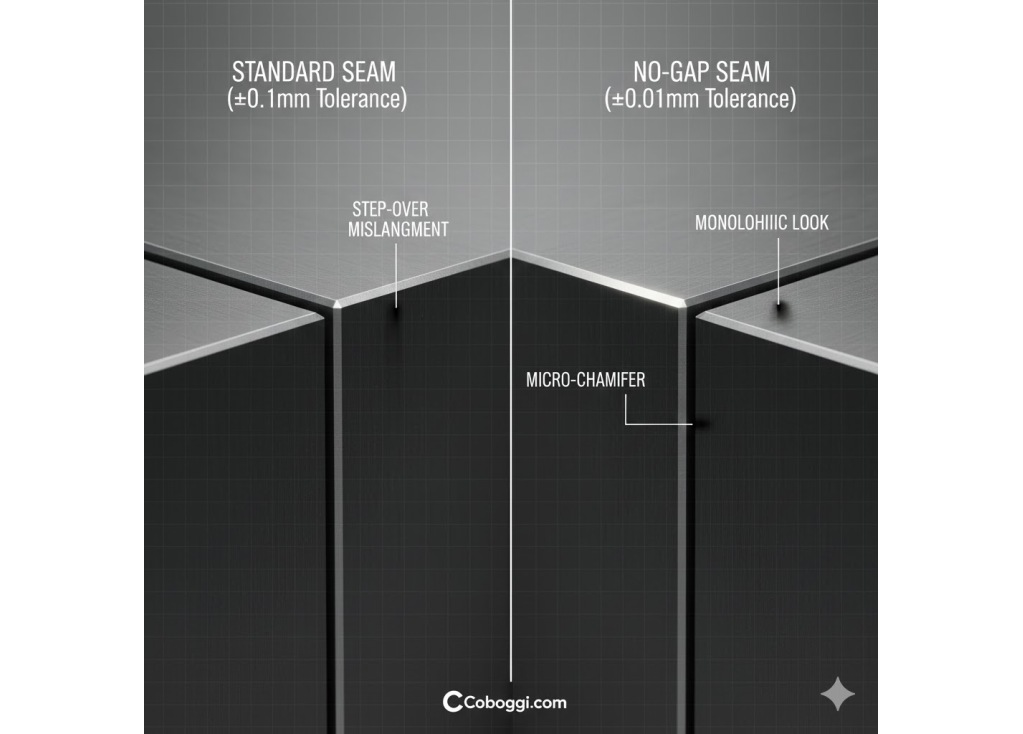
The Precision of Seams – Vacuum-Tight Aluminum Joining
.
 English
 German
 French
 Russian
 Spanish
 Japanese
 Korean
 Khmer
Khmer Portuguese
 Ukrainian
 Arabic
 Italian
 Afrikaans
 Albanian
 Armenian
 Azerbaijani
 Basque
 Belarusian
 Bulgarian
 Catalan
 Croatian
 Czech
Czech Danish
 Dutch
Dutch Estonian
 Filipino
 Finnish
 Galician
 Georgian
 Greek
Greek Haitian Creole
 Hebrew
 Hindi
Hindi Hungarian
 Icelandic
 Indonesian
 Irish
Irish Latvian
 Lithuanian
 Macedonian
 Malay
Malay Maltese
 Norwegian
 Persian
 Polish
 Romanian
 Serbian
 Slovak
 Slovenian
 Swahili
 Swedish
 Thai
Thai Turkish
 Urdu
Urdu Vietnamese
 Welsh
Welsh Yiddish